
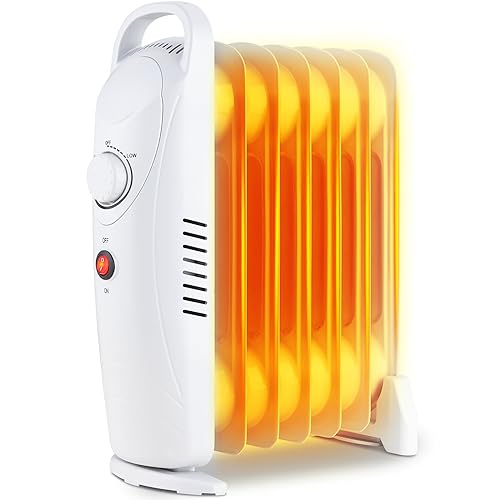
Now we are in the thick of the winter months, some clients may be considering installing portable heaters in their premises. Before doing so, it’s important to be aware of the Portable Heating Conditions stipulated in your insurance policy and gain insurer approval for their usage.
Often, insurers will only allow portable heaters to be used in offices and canteens. If they are used in any other areas, you could be in breach of your policy conditions.
While no official maximum or minimum temperatures are mandated for workplaces, HSE guidance recommends maintaining an environment of at least 16˚C or 13˚C for physically demanding tasks. What constitutes a reasonable temperature range differs, however, depending on industry, workspace set-up and job responsibilities.
It’s essential that referral to the insurer is made first and foremost to obtain acceptance of portable heater usage.
Ideally, you should be able to provide the following details:
- Make and model of the heater(s)
- Age of heaters
- Intended periods of use (should be during business hours only)
- Location of use within the building
Where heaters cannot be securely mounted or fixed at least 1.8 metres high to a wall or steel frame, we recommend the following risk control measures, which are likely to be requested by insurers:
- Heaters should be positioned on a stable level floor surface located in designated positions only (floor markings to be provided to prevent general movement)
- Heaters should be located at least 1 metre (preferably 2 metres) distance from combustible materials/ combustible items
- Use of electrically operated heaters with thermostatic and over-temperature controls (minimum of 2 safety devices)
- Heaters incorporating an anti-tilt safety switch are preferable
- Additional physical floor standing guards may be necessary (as advised by insurers)
- Cheaper domestic heaters are unlikely to be accepted
- Electrical cables must be protected against mechanical damage and should be plugged into a permanent wall socket and NOT an extension cable reel or multi-socket adaptor, with hazard tape used to identify a potential trip hazard
- Heaters must not be located in pedestrian walkways and mechanical handling equipment transportation routes
- Heaters must only be operated during business hours and must not be set on timers pre- and post-occupancy
- Storage of clothing/ safety equipment for drying purposes on top of heaters to be prohibited and prominent notices displayed
- Written safe working practice adopted to ensure heaters are switched off as part of close down/lock up procedures
- Electrical heaters must be portable appliance tested (PAT) by a competent electrician at least annually.
Also, at this time of year, it is important to take appropriate winter weather precautions to reduce the risk of loss from burst water pipes, water ingress from blocked gutters and potential flood risks, we recommend taking this action.