Portable Heaters

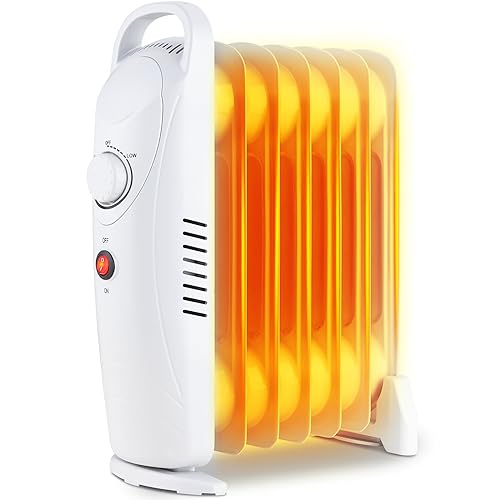
Now we are in the thick of the winter months, some clients may be considering installing portable heaters in their premises. Before doing so, it’s important to be aware of the Portable Heating Conditions stipulated in your insurance policy and gain insurer approval for their usage.

Often, insurers will only allow portable heaters to be used in offices and canteens. If they are used in any other areas, you could be in breach of your policy conditions.

While no official maximum or minimum temperatures are mandated for workplaces, HSE guidance recommends maintaining an environment of at least 16˚C or 13˚C for physically demanding tasks. What constitutes a reasonable temperature range differs, however, depending on industry, workspace set-up and job responsibilities.

It’s essential that referral to the insurer is made first and foremost to obtain acceptance of portable heater usage.

Ideally, you should be able to provide the following details:

  • Make and model of the heater(s)
  • Age of heaters
  • Intended periods of use (should be during business hours only)
  • Location of use within the building

Where heaters cannot be securely mounted or fixed at least 1.8 metres high to a wall or steel frame, we recommend the following risk control measures, which are likely to be requested by insurers:

  • Heaters should be positioned on a stable level floor surface located in designated positions only (floor markings to be provided to prevent general movement)
  • Heaters should be located at least 1 metre (preferably 2 metres) distance from combustible materials/ combustible items
  • Use of electrically operated heaters with thermostatic and over-temperature controls (minimum of 2 safety devices)
  • Heaters incorporating an anti-tilt safety switch are preferable
  • Additional physical floor standing guards may be necessary (as advised by insurers)
  • Cheaper domestic heaters are unlikely to be accepted
  • Electrical cables must be protected against mechanical damage and should be plugged into a permanent wall socket and NOT an extension cable reel or multi-socket adaptor, with hazard tape used to identify a potential trip hazard
  • Heaters must not be located in pedestrian walkways and mechanical handling equipment transportation routes
  • Heaters must only be operated during business hours and must not be set on timers pre- and post-occupancy
  • Storage of clothing/ safety equipment for drying purposes on top of heaters to be prohibited and prominent notices displayed
  • Written safe working practice adopted to ensure heaters are switched off as part of close down/lock up procedures
  • Electrical heaters must be portable appliance tested (PAT) by a competent electrician at least annually.

Also, at this time of year, it is important to take appropriate winter weather precautions to reduce the risk of loss from burst water pipes, water ingress from blocked gutters and potential flood risks, we recommend taking this action.


Spread festive cheer not a fire this Christmas!

Insurance claims related to candles have been a significant concern, particularly during the peak month of December. Aviva reports that the average cost of repairs due to Christmas candles causing fires is approximately £25,000. The claims usually involve candles being places too close to flammable items, such as Christmas trees, decorations, wrapping paper and curtains. Aviva’s data indicates that candles account for approximately 15% of all fire claims during the month of December with chimneys and fireplaces accounting for 6%.

A large amount of these claims involve Christmas candles setting fire to items whilst the candles are unattended. For example going to bed and leaving a candle burning without supervision. Another issue highlighted was Christmas cards that accidently caught fire due to tealights being left close by.

Insurers are urging customers before lighting a candle to take a moment to consider where it will be placed and how long it will be burning for. Candles should not be left unattended even for a short period of time. Although candles can help create a cosy, festive atmosphere, if not used with care they can be a serious fire hazard.

Fires spread exceptionally quickly, especially when there are lots of flammable items nearby during the festive season.

Some tips for preventing fires:

  1. Never leave a candle burning unattended and do not let the candle burn all the way down.
  2. Consider swapping real candles for LED candles, particularly near dry, Christmas trees.
  3. Ensure candles are out of the way and less likely to be knocked over or touching anything flammable.
  4. Do not place candles near windows or draughty areas where the air movement can blow flames towards flammable objects.
  5. Keep lighters away from children and peds to avoid any accidents
  6. Make sure Christmas lights are in good working order and that they are switched off overnight.
  7. Do not overload electrical sockets.
  8. Check smoke alarms are working and consider fire safety equipment like blankets or extinguishers.
  9. Ensure chimneys are properly swept yearly and ensure fireplaces are maintained and checked.

Spread festive cheer this season and not a fire but taking these simple steps and have a wonderful festive season from all of us at Bloomhill Insurance.

Underinsurance – Business Interruption Insurance

One of the biggest risks to businesses is underinsurance and Business Interruption Insurance can help with that. People often underappreciate that the business recovery isn’t the size of the loss itself but what follows. When a serious issue hits, the longer it takes to get back to normal trading, the more costly it is and the harder it becomes to keep staff and customers. Many businesses underestimate how long it will take to bounce back from such difficult times. The reality is that nearly half of businesses will take between 12 to 24 months to recover and most businesses do not have cover that will last that long.

If cover runs out before a business has fully recovered then the impact can be significant. Research shows that companies would have to adapt operations just to remain open. Others would rely on loans, savings and cash reserves and for some it could mean closure completely.

Often small business owners think about recovery in physical terms such as replacing buildings or equipment. However it takes time to rehire staff, start up supply chains again and rebuild customer confidence.

Some insurance policies will include a two year BI indemnity period at no extra cost to clients. It usually is applied across Commercial Combined, Office and Surgery and Property Owners policies. This gives businesses the time and financial headroom to recover properly.

To help calculate realistic recovery costs you can use a business interruption calculator which will offer guidance on which figures to include and how to set accurate sums insured.  This tool helps businesses better understand their exposure in such circumstances and how best to recognise the value of protection in these incidents.

For more information give us a call on 01256 463090.

Should handbags be part of your insurance valuation?

While items such as jewellery, watches and diamonds are commonly itemised, handbags are often disregarded.

With the rise in the handbag market, means the rise in reported thefts. Some people are looking to track their handbags using Apple Air Tags and Bluetooth devices. That concept is in the early stages of developing a tracking system for handbags.

One thing to consider is fake handbags. Knowing if a handbag is real requires knowledge of the brand specific characteristics as counterfeiters have become increasingly clever and sophisticated.

A combination of observations can help determine a handbags authenticity. This includes things like craftsmanship and quality. When handbags are made they go through very strict checks through quality control before they are able to leave the factory. Stitching, loose threads, frayed edges and inconsistent spacing are all considered in quality control. There should be no signs of glue. Zips, buckles etc should feel high quality and logos of branding should be precise, clear and positioned correctly. Any branding that is wonky or badly spaced should highlight a quality control issue or the possibility of a fake item.

Additionally materials used make a difference too. Genuine bags will utilise the best materials – leathers, exotic skins, calfskins etc. This gives the bags a high quality feel, a unique scent and a specific texture. Serial numbers, authenticity cards should be in certain format relevant to the brand. For example Louis Vuitton use date codes but Chanel have serial numbers and an authenticity card.

With escalating retail prices of bags and extensive waiting lists to obtain one, the resale market has boomed. Certain brands and models of bag have meant that they have become collector items that have soared in value, way beyond their original retail cost – now making them investment assets.

Considering all of the above information, if you own a collection of handbags but lack a professional valuation, your bags may not be valued correctly or insured. If you ever needed to replace a bag due to theft, it quite likely might have to be purchased on the second hand market where it could cost significantly more than the retail price.


Insurance Oversight

Having home insurance doesn’t necessarily mean you’re covered for all situations. Unfortunately some people learn the hard way that just because they’re insured doesn’t mean they’re covered for all scenarios.

Specific Items

For example, incredibly Tamara Ecclestone (The F1 Heiress) was unable to recoup any of the £25million lost in Britain’s biggest burglary due to a insurance blunder.The family are reported to not have been able to claim any money back for the stolen goods because the insurance policy contained an exemption clause for watches and jewellery that had previously gone unnoticed.

Did you know that home insurers are now accepting as few as one in three claims to get properties fixed after fires, flooding and other issues.

Many claims are rejected because of excluded terms and conditions. For example Tamara Ecclestone’s claim was reportedly only settled for £45,000 to cover damage to the property. Watches and jewellery are high value items which exceed the maximum value of individual items covered by the policy. No one noticed the small print that excluded her high value items so the majority of the claim was rejected!

Another common issue for home insurance is damage caused by pets, for example a cat destroying a sofa or a dog chewing up the carpet. Sometimes this additional coverage can be added.

Weather/Wear and Tear

Storm damage is one of the most likely reasons for a claim to be rejected. Insurers definition of a storm may differ from what your definition of a storm may be. Quite often insurers will classify a storm as 55mph winds, most damage occurs with lower wind speeds which leads to a lot of claims being rejected.

Homeowners need to keep their property well maintained for their insurance to be value and natural wear and tear is not included. Roof damage will only be covered if the roof is relatively new or if it has been checked and maintained within a stated time period. For example if your ceiling comes down due to water damage from a leaking roof the chances are your claim will not be paid out if it is deemed the roof has not been well maintained.

Underinsurance

Another potential problem is being underinsured for the value of the property and it’s contents. This can sometimes lead to the insurance provider agreeing to pay out some of the amount claimed under what is described as the “average” clause. For example if the sum insured is 35 percent under the correct value then there would be a 35 percent reduction in the pay out provided. Additionally a lower pay out may be provided if the insurer believes the claim has been made at an unrealistic value.

Providing wrong information to your insurance provider can also see a claim rejected. Anything from type of locks on doors to what proportion of the roof is flat can result in your claim being rejected.

Time of reporting a claim

It is important when making a claim that you do not delay reporting it. Some insurers may give a grace period of a certain amount of days so it is always best to check the terms and conditions on your policy.

Social Media

One final point to remember…if you’re going away don’t post this on social media! The Financial Ombudsman Service have said it’s possible that insurance cover could be affected if you announce your plans on social media. For example when celebrities do this, they are opening themselves up to criminals targeting them homes whilst they’re away.

If you’re unsure what you policy covers you for, contact us today to check you are adequately insured so you don’t have to learn the hard way too! We hope the above article helps you understand that you also have a level of responsibility to ensure your home is well maintained and cared for, check the small print and don’t just assume insurance will cover all situations.

Are you storm ready?

Are you storm ready?
With so many storms hitting the UK in recent times, here is some advice to consider when preparing for strong winds and heavy rain.
To qualify as a storm for insurance purposes, the weather needs to meet one or more of the following conditions:
– Wind gusting at 48 knots (55mph) and above
– Heavy rainfall with a rate of at least 25mm per hour
– Snow falling to a depth of at least one foot (30cm) in 24 hours
– Hail which can break glass or cause damage to hard surfaces
Reducing the risk of damage to cars:
– Avoid driving unless absolutely necessary, but if you do need to drive then ensure you have an emergency kit in the car.
– Move bins into a sheltered area, away from your car and weigh down if possible to avoid it hitting your car.
– Park your car in a safe space ideally from falling trees and branches.
Drainage and Gutter Maintenance:
Make sure your gutters and drainage are clear and well maintained. If gutters aren’t draining properly, it can cause damage to your roof and walls. It could also result in water damage inside the house.
The roof is one of the most vulnerable areas of a home when it comes to weather damage. It’s a good idea to inspect it regularly, and fix any issues immediately after you identify them.
Check your roof for:
– Loose, cracked or missing tiles
– Damaged flashing, which is the thin metal used to keep your roof watertight
– Any signs of leakage
– You can also check the roof from the inside, particularly if you have an attic. Head up there and look for any signs of water getting in, such as damp areas or mould. If you don’t have an attic, check for damp patches or discolouration on your ceiling.
Usually, flat roofs need more maintenance than pitched roofs, and tend to need more frequent repairs. Try to inspect your flat roof at least twice a year, and after each storm. Be sure to clear any leaves or debris which might hamper the drainage.
If you find any issues with your roof, it’s usually best to get a professional roofer or builder in to fix it. Never take any chances if you’re not entirely confident fixing it yourself.
Garden and Tree Maintenance:
You can try and ensure trees are trim and remove loose branches. This should reduce the risk of them falling or blowing onto your property during storms.
Don’t forget to secure things like trampolines. In storms they may be blown away causing potential damage to property or even to people.
What is not covered:
– Fences
– Gates
– Swimming Pools
– Hot tub covers
Now more than ever we all need to consider what we can do to try and safe guard our property to avoid potential damage from storms in the UK.

Home Security – Tips for the Autumn

And before we know it, Autumn is here. Dark mornings, dark evenings and the summer is behind us. The change of seasons highlights an increased risk of being targeted by burglars.

Burglars embrace the longer hours of darkness. They can work more covertly using the dark to their advantage.

Home security systems are designed to help deter, detect and defend against burglars, who will be at a much higher risk of being disturbed or caught if breaking-in to a home fitted with this kind of measure. Surprisingly, the Office for National Statistics reports that 63%* of homes burgled in England and Wales have no, or less than basic home security measures in place.

Burglar alarms are designed to trigger an alarm if an intruder attempts to break in to a property. They can also be monitored to ensure the owner is always the first to know if the alarm goes off, even when they are away from home.
A typical alarm installation will include a control panel, keypad, movement detectors, door contacts and external sounders. Clients can choose between a hard-wired or wireless system, depending on their preference. Wireless systems are more flexible and tend to be cheaper to install, but it’s worth noting that the detection devices will require battery replacements over time and that can become tiresome and may lead to forgetting that batteries need replacing.

With smart technology becoming more accessible, many systems now include the option of being linked to a Mobile App, allowing the occupant to manage and monitor the alarm’s activity remotely.

Dark areas around the home can be illuminated with a reliable security lighting system. New LED-based security lights are environmentally-friendly and built-to-last. They can be triggered by motion or operated manually. As well as giving potential burglars nowhere to hide, lighting will help clients feel safer and more confident when leaving and arriving home after dark.

Additionally, following a daily security routine and just doing the simple things can make a huge difference to the overall level of home security.

  • Leave lights on when going out – this will give the illusion someone is home.
  • Purchase timer switches that operate the lights to come on at certain times of the day automatically.
  • Smart Plugs – this allows lights and appliances to be controlled from your mobile device.

If you’re away on holiday, try not to plaster this all over social media until you are back home. Burglars are known to research their victims sometimes to gain greater understanding of when the property might be vacant and target it when you are away. For example top premier footballers have been targeted when it is known that they are away at a high profile match.

Burglary is an unpleasant experience that no homeowner should have to go through. The risk of this happening to a client can be greatly reduced through a combination of increased vigilance, deterrence, proactivity and sticking to a consistent home security routine.

The Riot Compensation Act 2016

Riot’s in the UK – August 2024

The recent protests around the UK, have caused significant damage, with the media reporting buildings and property that have been set on fire  and maliciously damaged. In the coming days/weeks, it is likely that the individual businesses/persons who have suffered damage will be presenting claims under their policy of insurance. Unfortunately, there will be no direct recovery opportunity, as its either likely that the persons causing the damage are unidentified, or criminal proceedings take precedence. It is unlikely that they will ever meet any judgement.

There is another route to try and recover insurers outlay, but it is very important that loss adjusters and claims handlers act quickly.

What is a Riot?

A Riot is defined by Section 1 of the Public Order Act 1986. This that a Riot is defined as a gathering of 12 or more people, who use, or threated to use unlawful violence and who cause a reasonable person to fear for their personal safety.

The Riot Compensation Act 2016 (“RCA”)

The RCA governs the compensation for damage caused as a direct result of riots. To qualify for compensation, it must be demonstrated to the claims authority that the damage caused was as a direct result of a riot.

What can you claim for?

  • Payments for property damage.
  • Alternative accommodation, under certain circumstances, but there are limits

Unfortunately you cannot claim for consequential loss, such as business interruption.

If damage has been caused to a property, following the protests seen over the last week in the UK, and a claim is being presented, if the definition of a Riot can be met, then insurers can
make a claim for re-imbursement under the RCA.

There are tight deadlines when claiming, therefore it is important that action is taken immediately to start the process.

For more information please contact us.


BT Redcare Closure

BT has announced the closure of all Redcare operations from 1st August 2025. This means that Redcare customers will need to replace their alarm signalling equipment before this date and ideally as soon as possible. By doing this it will likely avoid issues with high demand for the supply and fit or alternative signalling products from other providers the closer the deadline becomes (1st August 2025).

Those with intruder alarms using Redcare connections must therefore replace these with alternative products before the 1st August 2025. 

This work should be undertaken by the policyholders’ National Security Inspectorate (NSI) or Security Systems and Alarm Inspection Board (SSAIB) approved alarm company. With this change it is really important that the replacement service provides the same performance level as the customer’s current Redcare product.

The standard default ATS (Alarm Transmission Systems) performance category requirement is DP3 under BSEN50136-2. The replacement service must meet the DP3 standard to be certified as acceptable. Other performance categories must be referred to obtain insurer approval before a commitment to order is made.

If you have any questions please give us a call on 01256 463090 for further information.

Electrical Installation Condition Report

What is an EICR (Electrical Installation Condition Report) and how do you fill one in? An EICR, is an inspection report on a property’s safety relating to its fixed wiring.

This report has also been labelled as the Landlord Safety Test or Homebuyers Test.

The tests are conducted by qualified electricians. It is highly recommended you have an EICR inspection carried out every ten years for your home.

For rental properties, one should be carried out every five years or if there is a change of tenancy.

Why do I need an EICR?

The main purpose of an EICR is to guarantee the safety of the residents and to ensure they are not susceptible to electrical shocks and/or fires.

It is essential to conduct regular EICR testing to ensure electrical safety and comply with regulations. Property owners should be aware of their responsibilities, including obtaining proper certification and adhering to safety standards to mee these legal requirements.

Landlords have important responsibilities when it comes to EICR testing and ensuring electrical safety in their rental properties.

  • Regular testing: Landlords are responsible for scheduling regular EICR testing to identify any electrical issues or hazards that may arise.
  • Maintaining safe conditions: Landlords must promptly address any electrical hazards identified during the testing and take necessary steps to ensure the safety of their tenants.
  • Compliance with regulations: Landlords must comply with legal requirements regarding EICR testing and provide evidence of testing to authorities if requested.
  • Tenant communication: Landlords should communicate with tenants about the importance of EICR testing, any scheduled testing, and the potential impact on their electricity supply during the testing process.

EICR testing can have a significant impact on insurance coverage. These requirements aim to protect the insurer’s interests and reduce the risk of accidents or damage.

  1. Proof of compliance: Insurance companies may require property owners to provide evidence of a valid EICR report to ensure that the electrical installations meet safety standards.
  2. Renewal conditions: Failure to comply with EICR testing requirements could impact policy renewal, and insurance companies may ask for an up-to-date report before renewing coverage.
  3. Coverage limitations: Non-compliance with EICR testing could result in coverage restrictions or exclusions for incidents related to electrical issues.

Neglecting regular EICR testing can lead to higher premiums or even limitations and exclusions in coverage. It is essential for property owners to comprehend the connection between EICR testing and insurance policy renewal to ensure they meet the necessary requirements and maintain adequate coverage.

What is the aim of an Electrical Installation Condition Report?

  1. To make sure your electrical installations are safe, until the next inspection and record accordingly.
  2. To find any damage and wear and tear that might affect safety, and have it reported.
  3. Record the installation’s condition at the time of the inspection. This can be used in any future inspection.
  4. To find any components of the electrical installation that do not meet the IET Wiring Regulations.
  5. To help identify any appliance or object that could cause electric shocks and high temperatures.

The different types of a condition report: can I do this myself?

Typically there are two types of domestic EICR:

  1. A ‘visual condition report’ – this does not include testing and is only suitable if your installations have been tested recently.
  2. A ‘periodic inspection report’ (EICR) – this is a better and safer option. Many underlying electrical faults can be very difficult to spot. The EICR is more comprehensive than a visual condition report. It will test all your installations, including circuitry hidden behind walls, making it more likely to find any hidden dangers.

It is recommended that you have an EICR conducted if you have not had one in the last ten years (or five years for rented property). These can easily be arranged and conducted by a registered electrician.

Once they are done,  you will know that you are complying with the legal requirements for property owners and ensure you are complying with electrical safety and regulations. By doing so, property owners can ensure the safety of their premises and the well-being of their occupants.

If you are worried about whether you need an EICR or if you need a recommendation of who can provide you an EICR, contact us on 01256 463090.